Rules and briefings that every participant understands before the start, in their own language.
The rules, the course, what to bring, the paperwork: the same questions every season, from participants of many countries. We turn the answers into short narrated lessons, rule cards and a volunteer briefing, in many languages and reviewed once.
- Learners
- Participants, many of them from abroad, plus volunteers, marshals and the parents of junior athletes
- Typical topics
- Rules, penalties and fair play, The course, the obstacles and the elevation, Race day: arrival, waves and safety, Registration, certificates and waivers
- Sample module
- Ridgeback Run: from registration to the finish
01 Topics
What we usually cover
- 1 Rules, penalties and fair play
- 2 The course, the obstacles and the elevation
- 3 Race day: arrival, waves and safety
- 4 Registration, certificates and waivers
Any other subject works the same way: from your documents or from a brief.
02 Formats
What works best for these learners

Course explainer videos
The route, obstacle by obstacle, narrated and captioned.
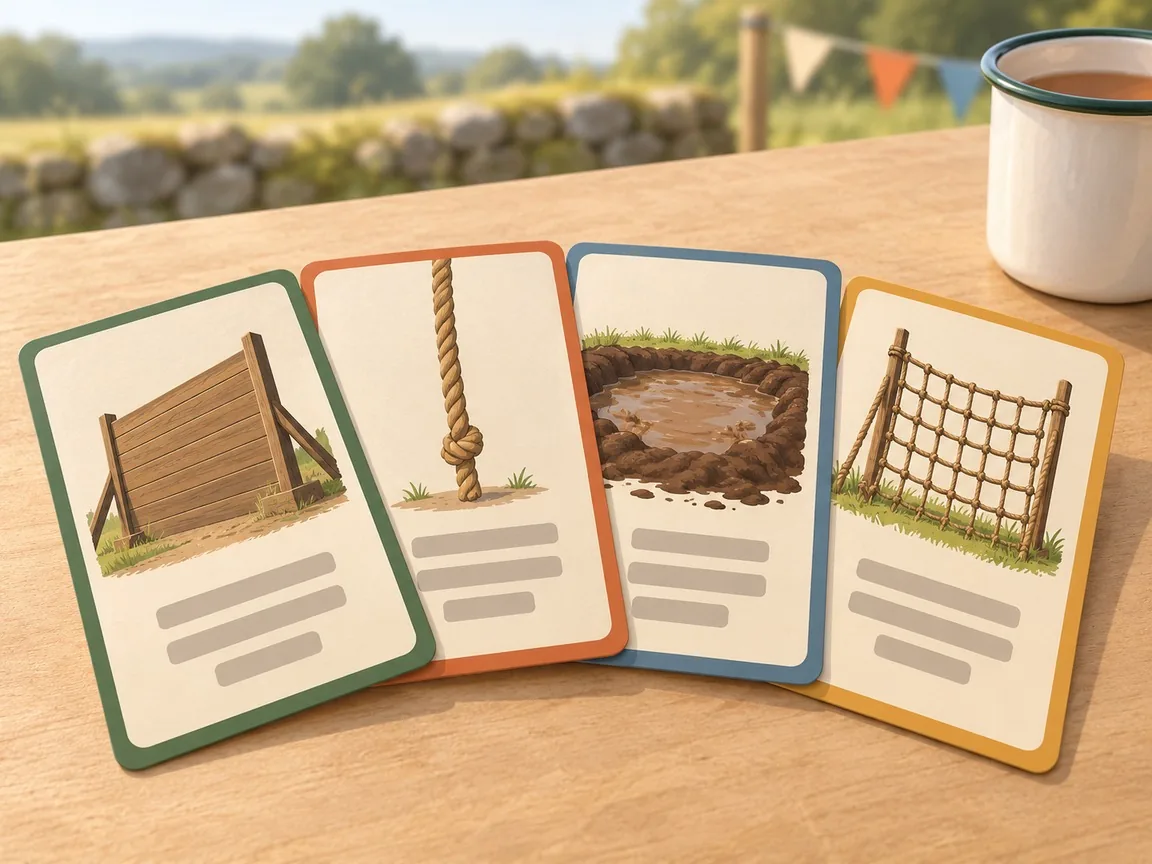
Rule cards
One rule and its penalty per card, to print or to read on a phone.
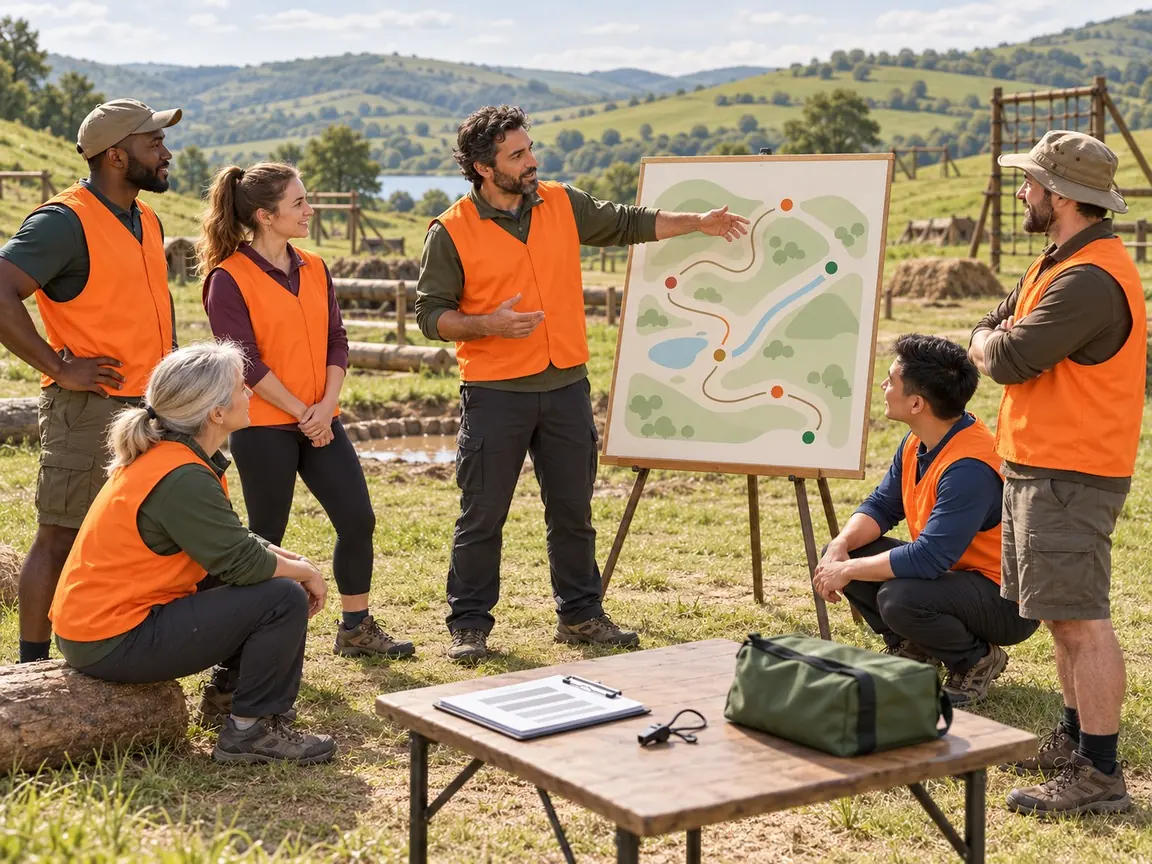
Briefing for volunteers and marshals
What to watch, what to say, and when to call first aid.
03 Sample module
Ridgeback Run: from registration to the finish
-
1
The rules and the penalties
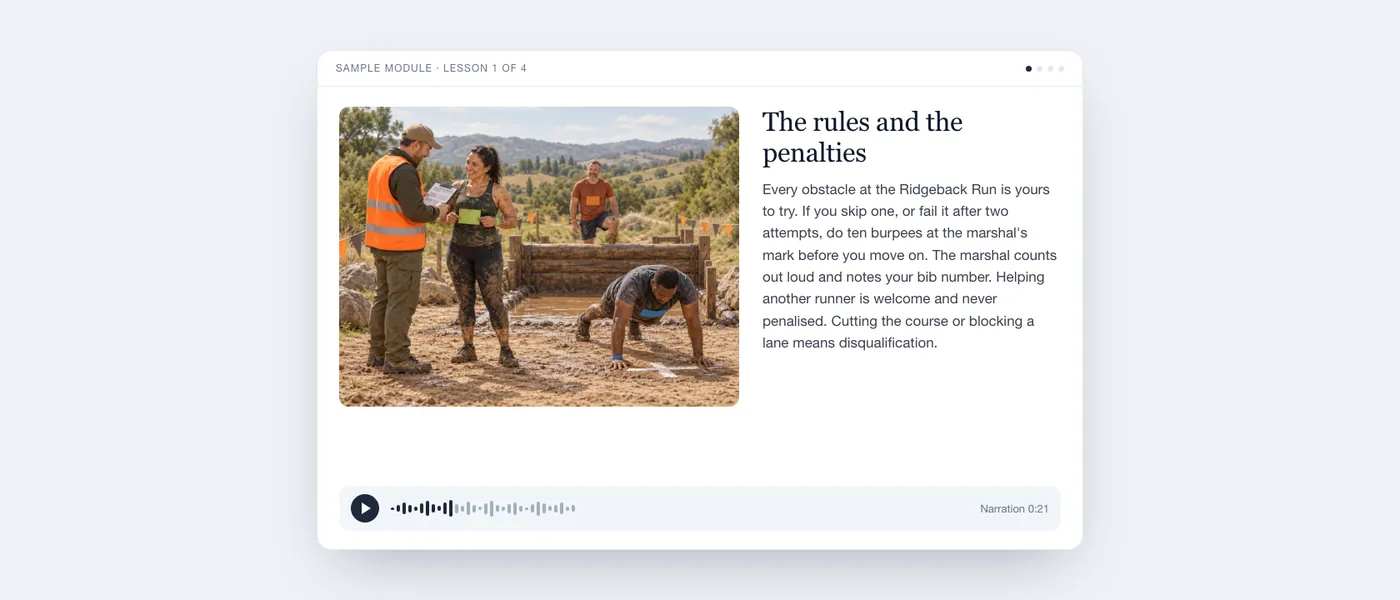
Every obstacle at the Ridgeback Run is yours to try. If you skip one, or fail it after two attempts, do ten burpees at the marshal's mark before you move on. The marshal counts out loud and notes your bib number. Helping another runner is welcome and never penalised. Cutting the course or blocking a lane means disqualification.
Narration, 0:21 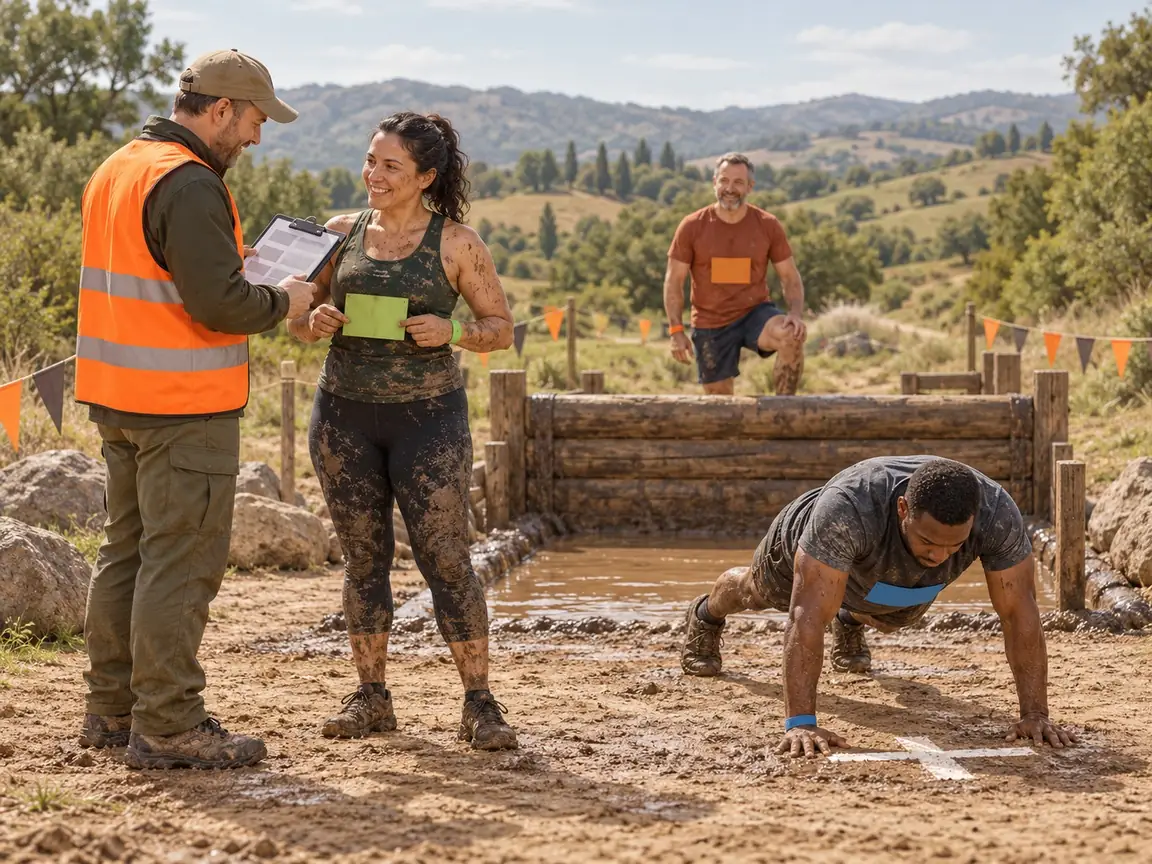
-
2
The course: obstacles and climbs
The Ridgeback Run is ten kilometres long, with twenty-eight obstacles and four hundred and fifty metres of climbing. The first long climb runs from kilometre two to kilometre three and a half, and ends at a four-metre rope. The ridge trail brings the two-metre wall at kilometre five. The second climb starts at kilometre six, and then it is mostly downhill. Water points are at kilometres three, six and eight.
Narration, 0:27 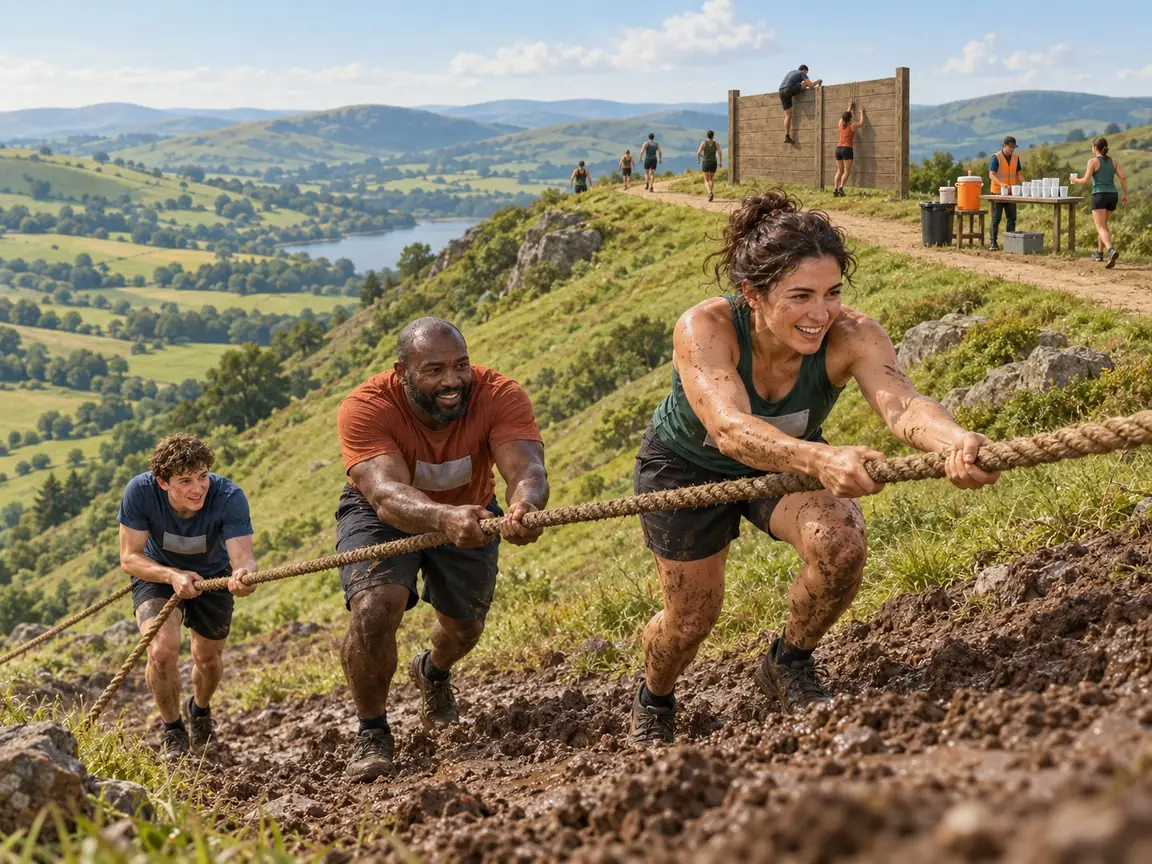
-
3
What to bring and how race day works
Arrive ninety minutes before your wave and collect your bib and timing chip with a photo ID. Bring grippy shoes and a spare shirt. The elite wave starts at nine, the open waves at nine thirty and ten. Cut-offs: kilometre six within two hours, the finish within three. Rain does not stop the race, lightning does. Hurt? Raise an arm: first aid is at kilometres three and seven.
Narration, 0:29 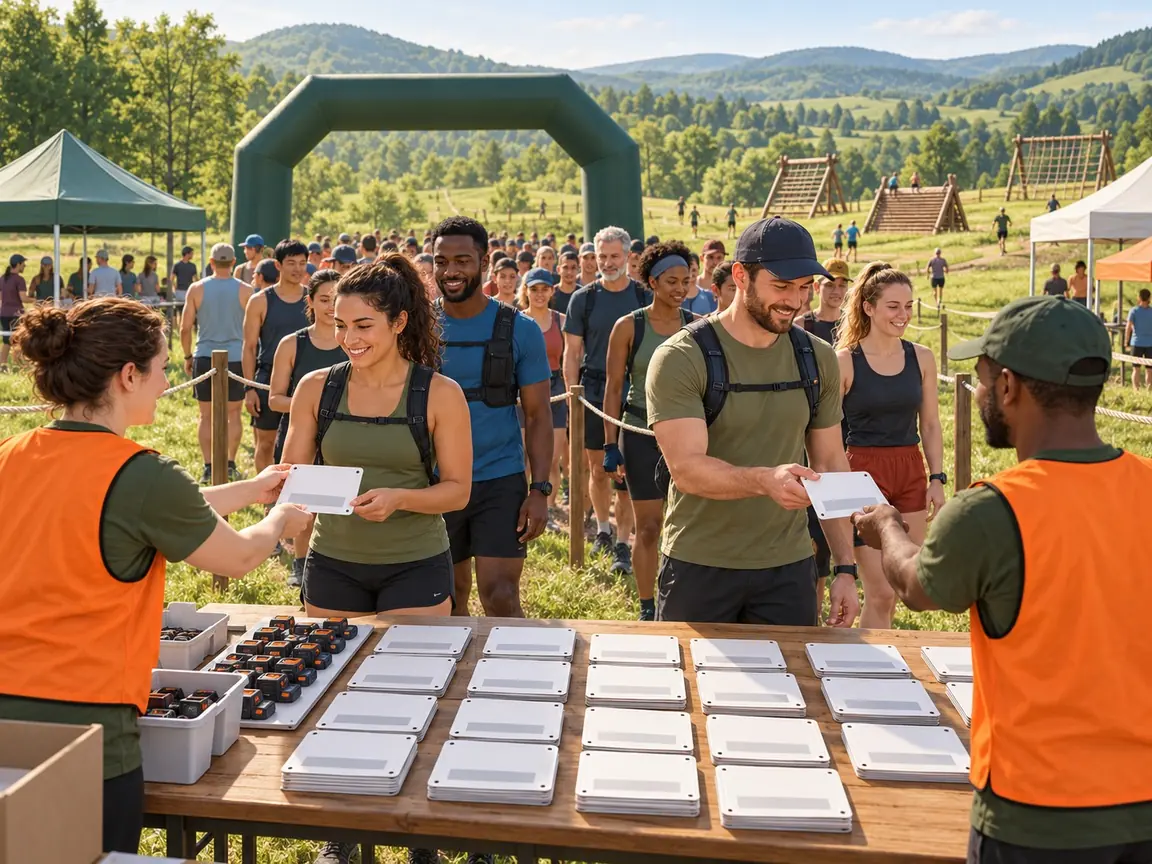
-
4
Registration and paperwork
Register online in three steps: pick your wave, enter your details, pay the fee. This event asks for a medical certificate, a signed waiver and proof of insurance, or you can add day cover at checkout. Bring the originals to bib pick-up. A bib can be transferred until two weeks before the race, and refunds are possible until thirty days before. The rules of your own federation also apply.
Narration, 0:27 
Demos for other sectors
- Nurseries and preschools Picture cards and stories read aloud, for children who cannot read yet. See the demo
- Primary and secondary schools Lessons that follow the curriculum, with checks and accessible versions. See the demo
- Vocational institutes Real work situations, explained step by step. See the demo
- Factories and manufacturing Work instructions operators understand on their first shift. See the demo
- Tech and IT companies Onboarding and product knowledge, written from your own docs. See the demo
- Health and safety training Mandatory topics told through the situations your people face. See the demo
- Healthcare and care homes Clear procedures for teams that work in shifts. See the demo
- Retail and customer service Product and service training for every store and every new hire. See the demo
- Marketing and creative teams Brand rules and agency know-how that new creatives learn in days, not months. See the demo
- Public administration and municipalities Clear answers for citizens, for the website, the lobby screen and the counter. See the demo
- Safety and compliance for multilingual teams Safety lessons that every worker understands, in their own language. See the demo
- Youth sports clubs: safeguarding and parents The club's code of conduct, explained to coaches, parents and young athletes. See the demo
- Another sector? Tell us who has to learn what, and we will tell you how we would do it. Contact us
Tell us what your people need to learn.
A 30 minute call is enough to understand whether it fits, and to give you a scope and a price for a pilot module.
- Company
-
ITALIO SRL
Via Emilia Ospizio 16, 42122 Reggio Emilia (RE), Italy